
Drywall repair before painting is the step that decides whether your new paint looks flawless or highlights every problem on the wall. A crack, a nail pop, or a stain does not disappear under a fresh coat. It usually comes back, and sometimes it looks worse.
In Tigard and across the Portland metro area, homes of every age show the same patterns: cracks near door frames, bumps along ceilings, and stains under bathrooms and roofs. Some of these are cosmetic and simple to fix. Others are clues that something else needs attention first.
Here are six essential types of drywall damage, what each one usually means, and how to handle it during drywall repair before painting.
What Does Drywall Repair Before Painting Involve?
Drywall repair before painting means diagnosing why a wall is damaged, fixing the cause if needed, and then repairing the surface so it is smooth, primed, and texture-matched. Skipping the diagnosis can lead to cracks and stains that return through new paint.

Moisture-prone rooms show stains and cracks first, so diagnosis comes before paint.
6 Essential Types of Drywall Damage To Check Before Painting
1. Nail pops and screw pops
Nail pops show up as small round bumps or tiny circular cracks, often in rows along a wall or ceiling. They happen when the framing behind the drywall dries and shrinks and a fastener loosens. Angi lists nail pops among the common drywall cracks homeowners see.
They are usually cosmetic. The fix is to secure the loose fastener, drive a new screw nearby if needed, then patch and prime. A sudden cluster of nail pops, especially with sagging, deserves a closer look.
2. Hairline cracks along seams
Thin, straight cracks along the joints between drywall sheets are among the most common issues. They often come from seasonal movement, normal settling, or taping that was thin to begin with.
These are generally cosmetic when they are narrow and stable. Proper repair usually involves removing loose compound, re-taping or refinishing the seam, and priming before paint. Simply filling a crack without addressing the joint tends to fail quickly.
3. Cracks at the corners of doors and windows
Short cracks that start at the corners of openings are common because stress concentrates there. Many are minor, caused by normal movement and humidity changes. Others, especially diagonal cracks that grow over time, can indicate movement worth monitoring.
Check whether nearby doors or windows stick, and watch whether the crack lengthens. If it stays small and stable, a standard repair works. If it keeps growing, have it evaluated before you repaint.
4. Wide, horizontal, or diagonal cracks
Larger cracks deserve respect. The National Association of REALTORS notes that cracks wider than about five millimeters, especially diagonal, horizontal, or above a door frame, could indicate foundation movement or other structural stress. Bob Vila likewise says horizontal drywall cracks are often tied to uneven settling or drainage problems.
If you see these, do not just patch and paint. Have a qualified professional, such as a structural engineer, evaluate the cause. Once any structural issue is resolved, the drywall can be repaired properly.
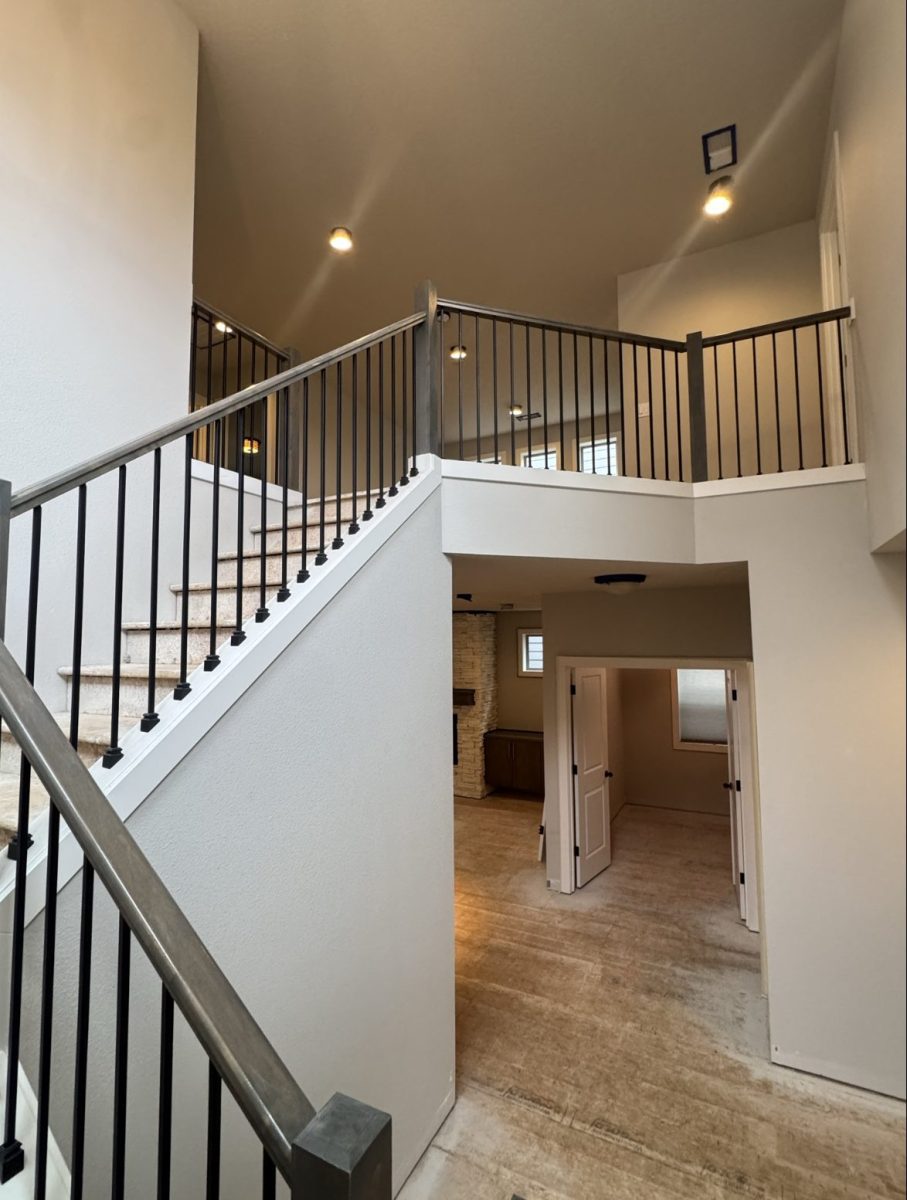
Repairs and texture matching happen before the first coat of paint.
5. Water stains, bubbling paint, and soft spots
Brown or yellow rings, bubbling paint, peeling, and drywall that feels soft usually mean moisture. Roof leaks, plumbing leaks, condensation, and humid bathrooms are common sources in our wet climate.
Fix the source first. If water is still getting in, a patch and a coat of paint will not last, and hidden moisture can lead to mold. Once the leak is stopped and the area is dry, damaged drywall can be cut out and replaced, then textured, primed, and painted. Stain-blocking primer helps keep old marks from bleeding through.
6. Dents, holes, and old patches
Everyday life leaves marks. Doorknob dents, picture-hanging holes, and furniture scrapes are easy to fix, but old patches are often the culprit when a wall looks uneven. A patch that was never feathered, primed, or textured will show under any paint.
Proper repair means filling, sanding smooth, priming so the patch absorbs paint like the rest of the wall, and matching the surrounding texture. That last step is where experience shows.
Why Texture Matching Matters
Many Portland-area homes have orange peel, knockdown, or other textured walls and ceilings. A smooth patch on a textured wall stands out under side light, no matter how well it was painted.
Texture matching means recreating the pattern, size, and spacing of the surrounding texture so the repair blends in. It is a skill, and it is one of the reasons we offer drywall repair and texture matching as part of our painting services.
How We Approach Drywall Repair Before Painting
Our process follows a consistent order, which keeps repairs from being rushed or skipped:
- Inspect the surface and identify the type and likely cause of each problem.
- Recommend repairs, and flag anything that may need another professional first.
- Repair the drywall, sand it smooth, and match the texture.
- Prime repairs and stained areas so paint absorbs evenly.
- Apply premium paint and finish with a detailed walkthrough and cleanup.
That order, a diagnosis first and paint last, is what produces a result that looks good on day one and still looks good years later.
How Long Does Drywall Repair Before Painting Take?
Small repairs can be done in a day, but drying time matters. Joint compound has to dry between coats, primer needs time to cure, and texture has to set before paint goes on. A project with several repairs often spans a few days even when the actual hands-on work is short.
Rushing is the main reason repairs show through paint. We give you a clear timeline up front so you know what to expect, and we plan the order of work so you are not waiting on drying time longer than necessary.
Should You Try Drywall Repair Before Painting Yourself?
Small holes and nail pops are reasonable DIY projects if you are patient and willing to practice. The hard parts are feathering compound so it disappears, sanding without gouging the surrounding wall, and matching texture.
Larger repairs, ceilings, water damage, and textured walls are tougher. A repair that is almost right is often more noticeable than the original damage. If you are unsure, a professional can usually do the work in the same visit as the painting.
When Drywall Problems Should Not Be Painted Over
Some situations call for another professional before any paint goes on:
- Cracks that are wide, growing, horizontal, or diagonal
- Active leaks or stains that keep returning
- Sagging ceilings or walls that feel soft
- Visible mold or a persistent musty smell
- Doors and windows that suddenly stick or no longer close properly
Drywall repair before painting should never hide a bigger problem, and we will tell you honestly when something goes beyond a painting and drywall repair, rather than covering it up. Fixing the cause protects your home and your investment in new paint.
Drywall Repair Before Painting in Tigard, OR
Final Touch Painting Co. provides residential painting services across the Portland metro area, including Tigard, Beaverton, Tualatin, and Hillsboro. We have been serving the area since 2009 as a family-owned company.
We handle surface preparation, drywall repair, texture matching, and painting in one project, so you deal with one team and one plan. Estimates are free, and we use top-grade paints from Sherwin-Williams and Miller.
Frequently Asked Questions
Can I just fill a crack and paint over it?
For a stable hairline crack, a proper repair with compound and primer may be enough. For wide or growing cracks, or cracks caused by moisture, filling alone will not last and the cause needs attention.
Why do nail pops keep coming back?
Usually because the fastener was only covered, not secured. Securing the drywall back to the framing, then patching and priming, gives a lasting repair.
Do I need to prime after drywall repair before painting?
Yes. Fresh compound is porous and absorbs paint differently than the surrounding wall, which can leave a dull or shiny spot. Primer evens it out.
Start With a Smooth Surface
If your walls have cracks, stains, or patches that bother you, the right fix starts with a diagnosis. Call Final Touch Painting Co. at 360-607-3434 or request a free estimate for drywall repair before painting in Tigard and the surrounding area.
Sources
- National Association of REALTORS: When You Shouldn’t Ignore the Cracks in the Wall. Which wall cracks are minor and which may point to movement that needs a professional.
- Bob Vila: When Should You Worry About Cracks in Your Walls?. How crack direction and location help tell cosmetic drywall cracks from larger problems.
- Angi: 10 Types of Drywall Cracks and What They Could Mean. Common drywall crack types, including nail pops and wet cracks, and when to call a professional.


Leave a Reply