
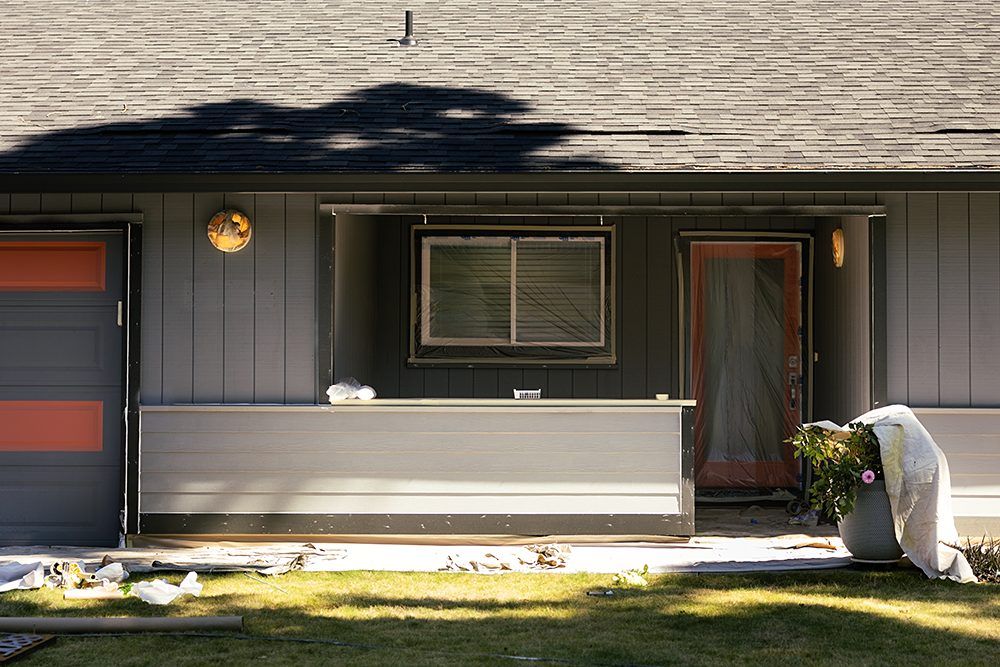
Homes built before 1978
Lead-safe painting for homes built before 1978
Older homes are more likely to have lead-based paint. Here's what the rules say about painting them, and the lead license we hold.
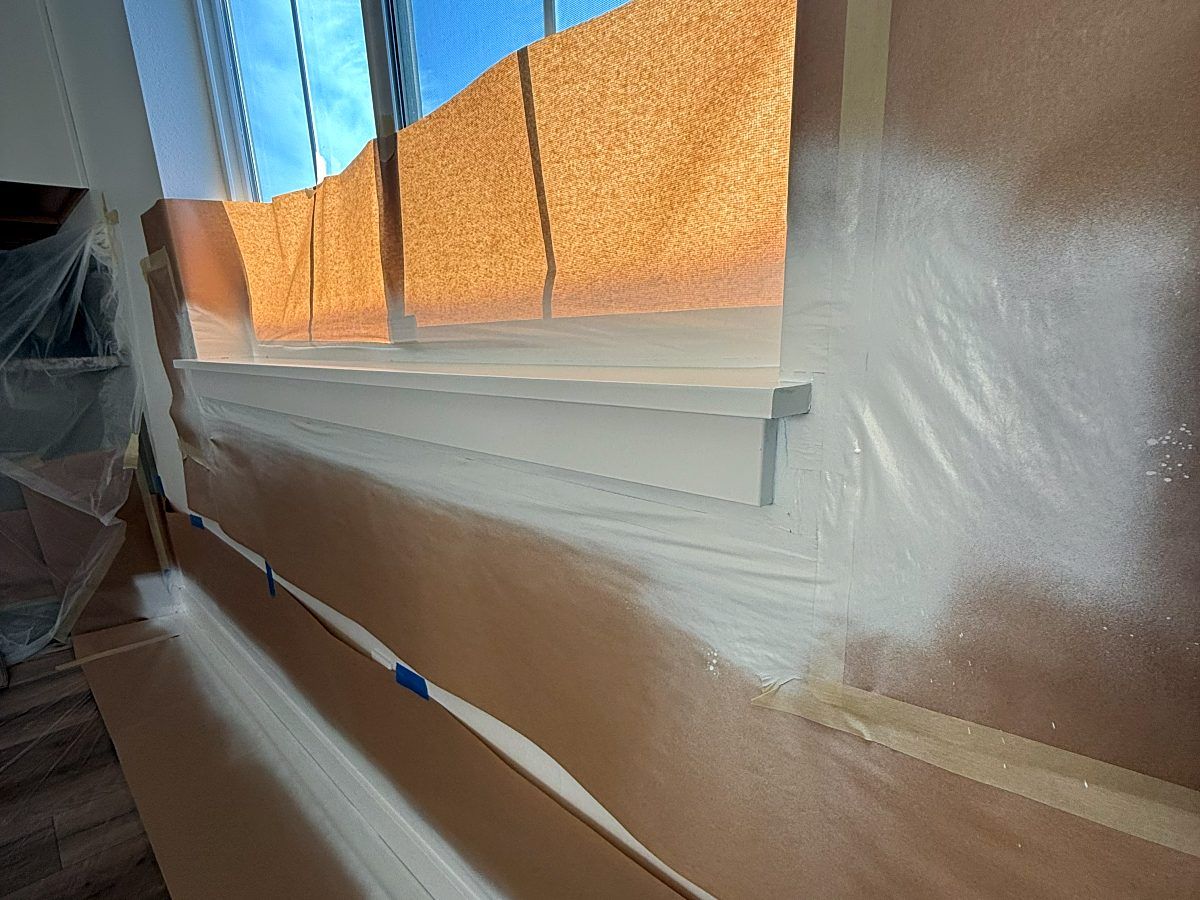
Our license
Lead-safe certified, with license LBPR197703
Final Touch Painting is lead-safe certified and holds lead-based paint renovation license LBPR197703.
If your home was built before 1978, tell us when you book your free estimate. We'll talk through what the rules on this page mean for your project, and a free estimate gets you a written price.
Why 1978 matters
Why homes built before 1978 are different
In 1978, the federal government banned the sale of lead-based paint for use in homes. But lead-based paint is still present in millions of homes.
The EPA estimates that about three-quarters of U.S. homes built before 1978 still contain some lead-based paint. That paint isn't always a hazard. The EPA says children can live safely in these homes as long as paint and surfaces are in good condition and surfaces are kept clean.
The risk comes when old paint is disturbed. Sanding, cutting, replacing windows and other common renovation work can create hazardous lead dust and chips, and the EPA warns that even a small amount of lead dust is enough to poison a child. The EPA also notes that babies and young children may have higher exposure, and that lead exposure during pregnancy can affect a developing fetus. Getting a house ready for paint often means scraping and sanding, so the rules below apply to painters too.
Older homes around Portland and Southwest Washington
Census estimates show how common older homes are here. In Longview, Milwaukie and Kelso, 70% or more of homes were built before 1980. The Census counts homes by the decade they were built, so the closest cutoff it gives is 1980, not 1978.
| City | Homes built before 1980 |
|---|---|
| Longview, WA | 74% |
| Milwaukie, OR | 72% |
| Kelso, WA | 70% |
| Portland, OR | 63% |
| Vancouver, WA | 40% |
Source: U.S. Census Bureau, American Community Survey 2020–2024 5-year estimates, table B25034 (year structure built).
The federal rule
What the EPA's RRP rule requires
The EPA's Renovation, Repair and Painting (RRP) rule sets the requirements for paid work that disturbs paint in older homes.
The rule requires anyone paid to perform work that disturbs painted surfaces in homes, childcare facilities and preschools built before 1978 to be certified. Their employees must be trained in lead-safe work practices, either as certified renovators or on the job by a certified renovator. The EPA names painters among the trades it covers, and painting preparation is one of the covered activities. Certified firms also have to assign a certified renovator to each renovation, follow the rule's work practice standards, handle the pre-renovation education and keep records.
- Small jobs are exempt. Minor repair and maintenance that disturbs six square feet or less of paint per room inside, or 20 square feet or less outside, isn't covered. Window replacement is always covered.
- Testing isn't required. The rule doesn't require paint testing, but unless there's documentation that the paint isn't lead-based, its requirements apply.
- Your own home is usually different. In general, the rule doesn't apply to homeowners working on their own homes. It does if you rent out all or part of your home, run a childcare center in it, or buy, renovate and sell homes for profit.
- Rentals are covered. If you rent a pre-1978 home, your landlord or property manager must follow the rule when doing work that disturbs paint.
Lead-safe painting isn't lead removal
RRP work and lead abatement can look similar, but the EPA treats them as two separate programs with different certifications. Abatement is designed to permanently address lead-based paint hazards, and it often starts with a lead inspection or risk assessment. Washington's Department of Commerce describes RRP work as temporary hazard reduction that isn't meant to permanently remove lead hazards.
Read more on the EPA's Lead Renovation, Repair and Painting Program page and its page for contractors.
Oregon and Washington
How Oregon and Washington handle it
Each state runs its own program for this work, so the details depend on which side of the river your home is on.
Oregon: the Construction Contractors Board
In Oregon, the Construction Contractors Board (CCB) licenses contractors for this work. The CCB says Oregon enforces the federal rules for contractors working on housing or child-occupied facilities built before 1978, and only contractors licensed for lead-based paint renovation can bid or work on pre-1978 homes. In Oregon, that license goes with an active CCB license, and at least one owner or employee must complete eight-hour RRP training from an accredited provider.
Final Touch Painting's lead-based paint renovation license is LBPR197703, and our Oregon CCB number is 197703. Read the CCB's page on lead-based paint licenses.
Washington: the Department of Commerce
In Washington, the state Department of Commerce runs the Renovation, Repair and Painting program. RRP certification is required for renovation, repair or painting work on pre-1978 homes and child-occupied facilities. Businesses, property managers and landlords doing that work need firm RRP certification, which calls for an owner or employee with individual RRP certification who supervises or performs the work. Read Commerce's RRP program page.
Before work starts
The Renovate Right pamphlet
If your home was built before 1978, this is the pamphlet the federal rule says you should get before a covered job starts.
Renovate Right is the EPA's pamphlet on lead-safe renovation, written for homeowners, tenants, childcare providers and parents. It gives general information about the legal requirements for lead-safe work practices during renovation.
Under the federal rule, the firm doing a covered renovation must give the owner the pamphlet no more than 60 days before the work begins. It must also get the owner's written acknowledgment that they received it, or mail it at least 7 days before the work. If the owner doesn't live in the home, an adult occupant gets a copy too.
Read Renovate Right on the EPA website, or see the rule's wording in 40 CFR 745.84.
Questions to ask any painter
Before work starts on a pre-1978 home, it's fair to ask:
- Is your firm certified for lead-safe work in my state?
- Who is the certified renovator on my job?
- Will my project disturb more paint than the minor-repair limits?
- When will I get the Renovate Right pamphlet?
Ask us all four at your free estimate.
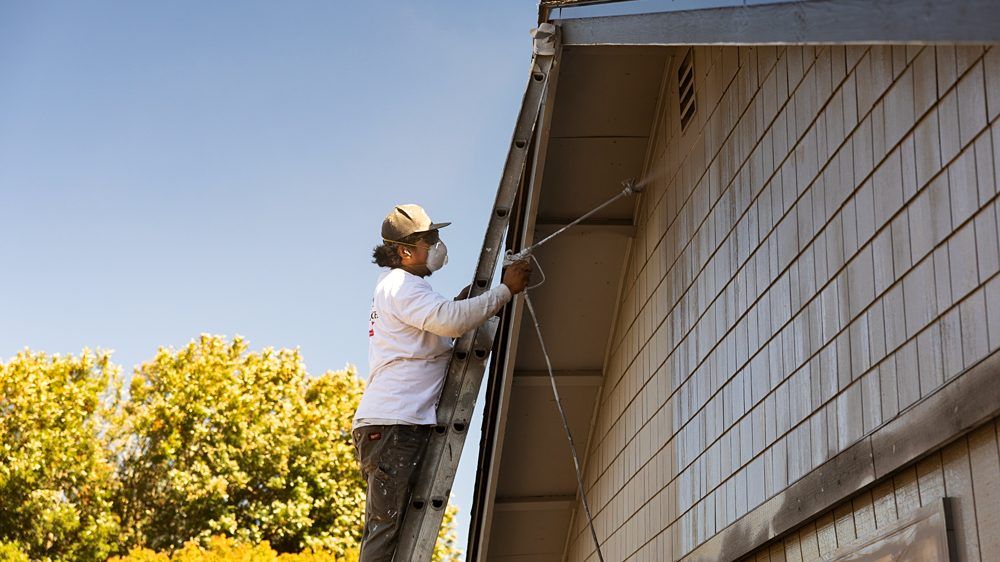
Get your free estimate
Tell us what you're painting and we'll set up a time to see it. Ask about the free Sherwin-Williams upgrade and $0-down financing while you're at it.
Backed by our 5-year workmanship warranty.